Nursery textiles · Materials and care
Coyuchi Nursery Sleep Sacks: Organic Cotton, Construction, and Care
A baby’s sleep sack is a small garment with a substantial job: adding a wearable layer of warmth without relying on loose bedding. In Coyuchi’s nursery range, organic cotton, stitched surface details, and practical closures shape how the sacks feel and function. Understanding the fabric, construction, fit, and care instructions helps families make more informed choices—while safe-sleep guidance remains the essential starting point.
A wearable layer, not a blanket
Sleep sacks are designed to be worn over a baby’s sleepwear, creating a contained layer of warmth rather than placing a loose blanket in the sleep space. That distinction matters. Loose bedding can shift during sleep, while a correctly sized wearable layer is intended to stay on the child. A sleep sack is not a substitute for a safe crib, a firm and flat sleep surface, or current guidance from a pediatric health professional; it is one possible part of a broader sleep setup.
The term “sleep sack” covers garments with different shapes, fabrics, closures, and warmth levels. Some resemble sleeveless wearable blankets; others have sleeves or additional details. A product’s name alone does not tell a caregiver whether it suits a particular baby, room temperature, or season. Reading the manufacturer’s specifications—and following the directions for age, size, and use—is more useful than relying on a label or a general promise of comfort.
Coyuchi’s nursery sleep sacks provide a useful example of how textile choices and garment details meet everyday needs. Product descriptions in this range identify organic cotton sateen or organic cotton knit, with features such as arm openings, a covered front zipper, and handstitched texture. These are concrete details to assess. They describe the material and construction, but they do not replace checking fit or following safe-sleep recommendations.
Why fabric matters
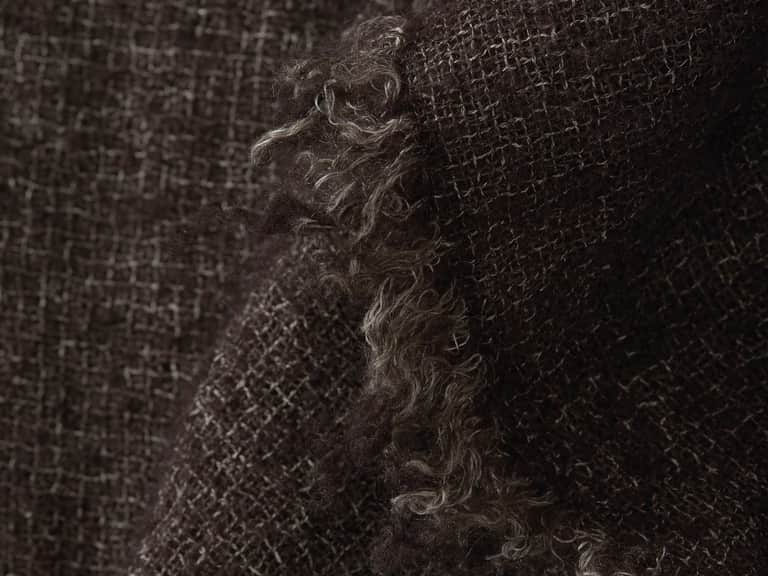
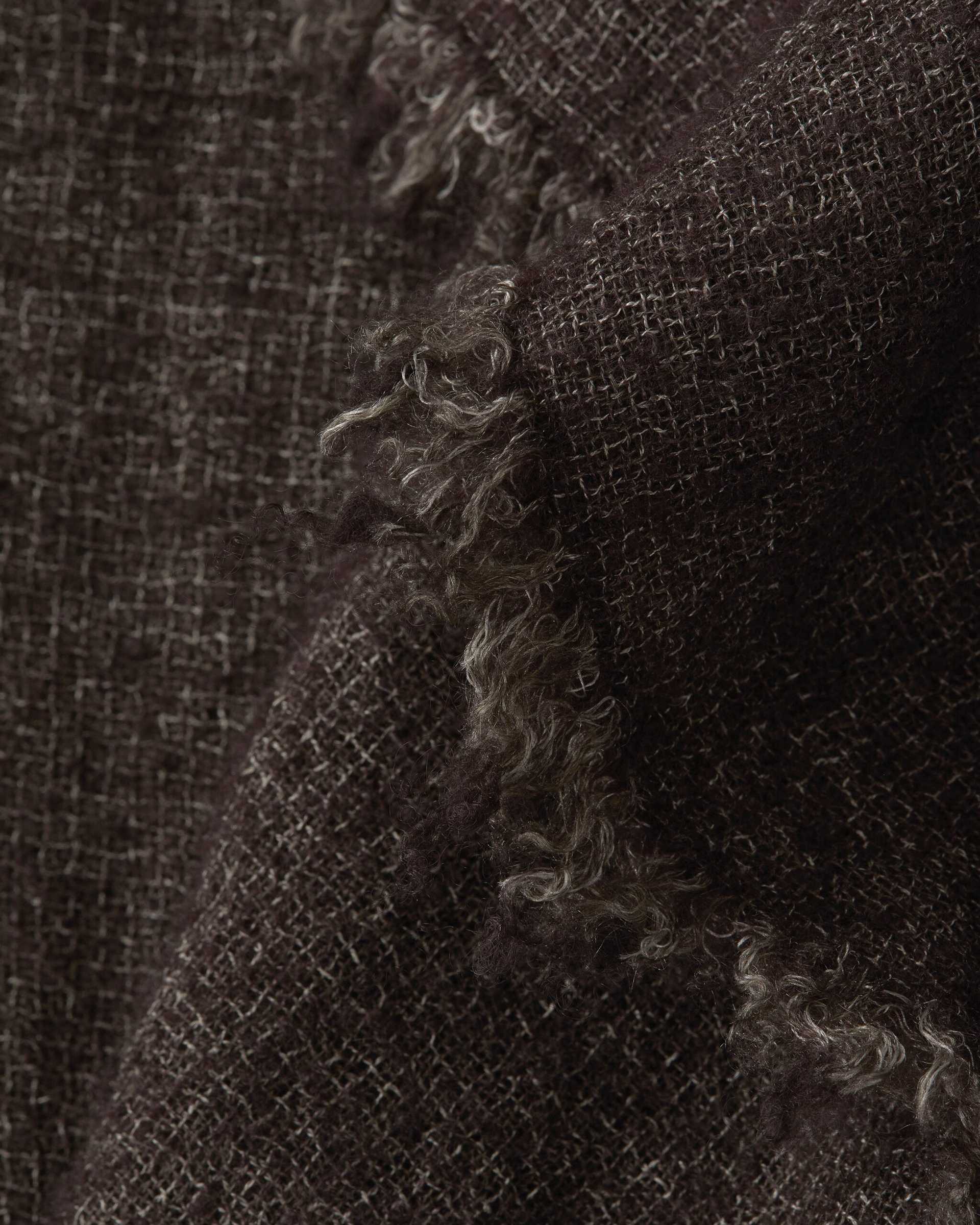
Cotton is familiar in baby clothing for good reason: it is a plant-based fiber used in a wide range of woven and knitted fabrics. But “cotton” does not describe a single feel or performance. The yarn, weave or knit, finishing, and garment design all contribute to the experience against the skin. A smooth woven fabric may feel different from a textured knit, even when both are made from cotton.
Several Coyuchi sleep sack descriptions specify 100% organic cotton sateen. Sateen is a woven fabric structure associated with a smooth surface and soft drape. Its finish and hand can vary, so the word should be read as a description of construction rather than a guarantee that every fabric will feel identical. In these sacks, handstitched embroidery adds a raised, pebbled texture over the smoother base cloth, creating contrast in both appearance and touch.
Another option in the nursery range is an organic cotton knit sleep sack. Knit construction gives fabric a different character from woven sateen: it is formed from interlocking loops, which can make it flexible and give it a distinct surface and drape. The Arroyo Organic Knit Hooded Snuggle Sack, for example, is described as 100% organic cotton with reverse jersey and seed-stitch textures, a front placket with coconut-shell buttons, and an attached hood. Its care directions call for hand washing. Those construction and care details are important to note, but the product’s stated intended use and instructions should guide any decision about whether it is appropriate for a baby’s sleep environment.
Organic describes how fiber is produced under a defined standard; it does not by itself establish that a garment is safer for every child, more breathable in every setting, or suitable for all temperatures. Look for the exact material composition and any certification stated by the manufacturer. Coyuchi product descriptions identify GOTS certification for some organic cotton items and Fair Trade Factory certification for some sleep sacks. Certifications relate to defined standards and scopes, so it is sensible to read the specific claim rather than infer that one label covers every possible aspect of a product.
For caregivers comparing fabrics, the most useful questions are practical: What is the shell made from? Is the item woven or knitted? Does the label specify a lining or fill? How should it be washed? How does its weight fit the room and the child’s sleepwear? These questions turn broad claims about softness or natural materials into information that can be checked.
Construction details with everyday consequences
A sleep sack is a garment, and small design choices can affect how easily it is put on, removed, and cared for. Coyuchi’s Pebbled Handstitched Organic Snuggle Sack is described as having arm openings and a covered front zipper. The openings shape how the garment sits around the upper body, while the zipper provides a means of access. A covering over the zipper can reduce direct contact between the closure and skin, though caregivers should inspect the garment regularly for damage and use it only as directed.
The sack’s handstitched surface is another construction feature, not merely decoration. Stitching creates texture and contributes to the appearance of the fabric. As with any baby garment, check seams, stitching, and closures before use and after laundering. Loose threads, broken fasteners, damaged fabric, or other wear are reasons to stop using an item until the issue is addressed or the garment is replaced.
Closures can also influence changes and dressing routines. A zipper may be convenient, but ease of access should not lead to a poor fit or careless fastening. Follow the maker’s instructions for positioning and closing the garment. Ensure that fasteners are secure and that no part of the sack is twisted, caught, or placed in a way that could interfere with the baby’s movement or comfort.
Details differ across the range, so product descriptions should not be treated as interchangeable. One sack may have a covered zipper and arm openings; another may have a knit body, a placket, buttons, or a hood. Verify the specifications for the exact item in hand. If a feature is unclear, consult the manufacturer rather than assuming that a detail listed for one design applies to another.
Fit is a safety and comfort question
Correct fit is central to choosing any baby sleepwear. A sleep sack should match the manufacturer’s stated size range and fit the child as intended. Too large a garment may sit differently from the designed fit; one that is too small may restrict movement or be uncomfortable. Product listings may provide age ranges or measurements, but babies vary, and age alone is not a precise measure of body size. Check the size chart, garment dimensions, and directions supplied with the specific product.
Pay attention to the neckline and arm openings. The garment should not be able to ride up over the baby’s face, and the openings should be consistent with the stated design and size. Do not modify a sleep sack, add ties or attachments, or alter its closure. If fit is uncertain, seek advice from the manufacturer or a qualified health professional, and choose an alternative that fits according to its instructions.
Fit also changes as a baby grows. A sack that once sat correctly may become short or tight, while a larger size may not be appropriate until the child reaches the manufacturer’s measurements. Recheck fit regularly rather than treating an earlier purchase decision as permanent. Use the product only within its stated size and age guidance.
Temperature and clothing layers deserve attention alongside fit. A sleep sack’s warmth depends on its fabric, construction, and any insulation, while the baby’s clothing and room conditions also matter. Avoid assuming that a soft or lightweight fabric is automatically suitable for every season. Follow the manufacturer’s advice on warmth and layering, and consult recognized safe-sleep guidance or a pediatric professional when uncertain. The aim is a comfortable, appropriately dressed baby—not adding layers by habit.
Care begins with the label
Textile care is part of a sleep sack’s life cycle. Baby bedding and clothing are washed regularly, and the wrong cleaning method can affect fabric, seams, stitching, and closures. Begin with the care label attached to the item and the instructions provided for that exact style. Do not assume that all organic cotton pieces can be washed in the same way.
Some Pebbled Handstitched Organic Snuggle Sack descriptions recommend a cold, gentle machine wash with like colors, followed by low-temperature tumble drying and prompt removal. Other descriptions use slightly different wording, including machine washing cold on a gentle cycle and tumble drying low. The Arroyo Organic Knit Hooded Snuggle Sack, by contrast, is described as requiring hand washing. These differences illustrate why general advice should never override the garment’s own care instructions.
Before washing, close the zipper as directed, check pockets or openings, and look for stains that may need attention. Use a gentle detergent suitable for the fabric and follow the label’s directions regarding water temperature, cycle, and drying. Avoid bleach, harsh treatments, or high heat unless the manufacturer explicitly permits them. High temperatures and rough handling can stress fibers and stitching, while a hot dryer may affect a garment’s dimensions or feel.
Drying instructions deserve the same care as washing instructions. If the label allows tumble drying, use the specified low setting and remove the sack promptly. If air drying is required or preferred, lay or hang the garment in the manner recommended by the manufacturer, taking care not to stretch a wet knit. Store the item only when it is completely dry. Lingering dampness can lead to unpleasant odors and may compromise the condition of textiles over time.
After each wash, inspect the sack before returning it to use. Check seams, zipper operation, stitching, and the shape of the openings. A care routine is not just about keeping fabric clean; it is also an opportunity to notice wear. If a closure catches, a seam opens, or the material is damaged, do not ignore it because the garment still looks soft or comfortable.
Understanding organic claims and certifications
For many families, the word “organic” is an important part of evaluating nursery textiles. It is helpful to distinguish a fiber claim from a finished-product claim and to check exactly what a certification covers. A listing may identify organic cotton in the fabric and name a certification, but the wording should be read in context. Different standards address different stages or criteria, and a certification should not be treated as a universal guarantee about every feature of a product.
GOTS, or the Global Organic Textile Standard, is a textile certification named in descriptions of several Coyuchi organic cotton items. Fair Trade Factory certification is also identified for some of the Pebbled Handstitched Organic Snuggle Sacks. These labels can provide additional information about standards applied within their defined scope. They do not replace the material label, care instructions, fit information, or safe-sleep recommendations.
Clear product information makes comparison easier. Look for fiber content, country or place of manufacture when provided, care method, and the precise certification language. If a description says “organic cotton,” that is more specific than a general statement about natural materials. If a certification is listed, check which product it applies to; similar-looking items in a collection may have different materials or production details.
Responsible evaluation also means avoiding claims the label does not make. Organic cotton does not automatically mean hypoallergenic for every baby, and “natural” is not a substitute for information about finishes, laundering, or fit. A careful reader can value certified materials while remaining attentive to the limits of any single label.
A practical checklist for caregivers
Before using a nursery sleep sack, review the item as a complete garment rather than judging it by fabric alone. A concise checklist can help keep the important questions in view:
- Confirm the exact fiber content and whether the fabric is woven sateen, knit cotton, or another construction.
- Read the care label and follow the washing and drying directions for that specific style.
- Use the manufacturer’s size chart and check that the garment fits the child as intended.
- Inspect the zipper, seams, stitching, and openings before use and after laundering.
- Follow the product’s instructions and recognized safe-sleep guidance; do not add loose bedding to the sleep space.
- Consider room conditions and clothing layers, and avoid relying on a product name or fabric label alone to determine warmth.
- Check certification claims and their stated scope rather than assuming that every claim applies to every item in a collection.
This approach is deliberately unflashy. It treats the sleep sack as a useful textile, not a promise of perfect sleep. The practical questions—what it is made from, how it fits, how it closes, and how it should be washed—are the ones that remain relevant through nightly use.
A quiet design decision with daily impact
Nursery textiles are often discussed in terms of softness, color, and atmosphere. For a sleep sack, those qualities are only part of the story. Fabric and construction determine how the garment feels; fit and closure affect how it is worn; care instructions shape how it holds up to repeated washing. Each element is modest on its own, but together they define the object’s usefulness in a family’s routine.
Coyuchi’s nursery sleep sacks make those considerations visible through organic cotton sateen and knit options, handstitched texture, arm openings, and covered zipper details. The right choice is not necessarily the most elaborate or the one with the broadest claims. It is the item whose specifications are clear, whose fit follows the maker’s directions, and whose care requirements work for the household using it.
Ultimately, a sleep sack is one layer in a safe and thoughtfully prepared sleep environment. Careful reading, regular inspection, and adherence to current safety guidance matter more than marketing language. When material knowledge and practical use meet, the result is a more informed decision—and a textile that can be cared for with confidence.
Frequently asked questions
What fabrics are described for Coyuchi nursery sleep sacks?
Descriptions include 100% organic cotton sateen for Pebbled Handstitched Organic Snuggle Sacks and 100% organic cotton knit for the Arroyo Organic Knit Hooded Snuggle Sack. Check the specifications for the particular style, since materials and construction can vary.
Can every Coyuchi sleep sack be machine washed?
No single care rule applies to every design. Some Pebbled Handstitched sacks are described with cold, gentle machine-wash instructions, while the Arroyo knit style is described as hand-wash only. The label on the exact item should take priority.
Does organic cotton determine whether a sleep sack is safe?
Organic fiber information describes material sourcing under a stated standard; it does not determine fit or establish that a garment is suitable for every baby or sleep setting. Follow the product directions, check fit, and use current safe-sleep guidance.
What should caregivers check before each use?
Check that the sack fits as directed, the closure works, and the fabric, seams, and stitching are in good condition. Stop using it if it is damaged or no longer fits within the manufacturer’s stated guidance.