A Storied Fiber: The What and Why of Cashmere
Cashmere is the undercoat harvested from cashmere goats, primarily living in the high plateaus of Asia. The fiber is renowned for its exceptional softness, warmth, and a light hand that lets a garment drape with ease. Its strength lies not merely in plush texture, but in the delicate balance of temperature regulation and abrasion resistance. The typical diameter of cashmere fibers—often cited in the 14–19 micrometer range—contributes to a fineness that feels almost invisible against the skin, yet possesses a robust capacity to insulate.
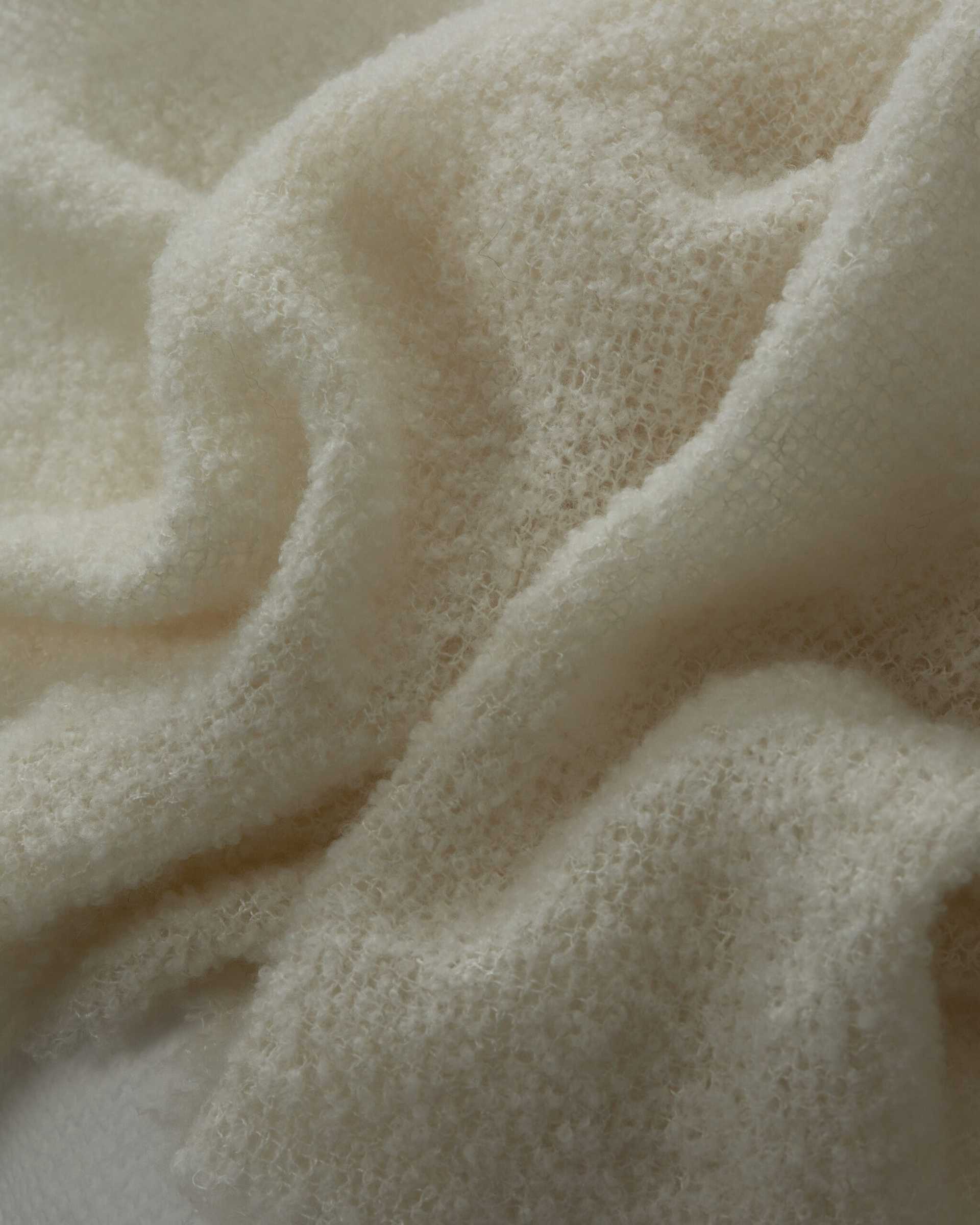
To understand cashmere’s appeal, it helps to compare it with other luxury fibers. Merino wool, for instance, offers natural elasticity and warmth with a crimp that enhances loft. Silk contributes a smoothness and sheen that cashmere can echo in certain blends, but cashmere’s hallmark is that whisper-soft hand and the light weight that makes even a substantial feel seem effortless. The chemistry of cashmere is about hollow, air-filled fibers that trap warmth without bulk, delivering comfort in a way that synthetic fibers often struggle to replicate.
Yet cashmere is not a monolithic material. It is a graded, traceable material whose value is tied to fiber diameter, length, yield from the animal, and how cleanly the fiber is processed. The best cashmere is responsibly sourced, with attention to animal welfare, ecological impact, and transparent supply chains. In this context, the fiber becomes less a mere fabric and more a story: of farmers in rugged landscapes, of cooperatives that maintain social contracts with shepherd communities, and of mills that translate raw fleece into wearable warmth.
Where Cashmere Comes From: Regions, People, and Practices
Cashmere production centers on particular geographies where climate and altitude shape the quality of the cashmere coat. Regions such as Inner Mongolia, Mongolia, Tibet, and parts of the Himalayan belt contribute the majority of premium cashmere. In these landscapes, cashmere goats shed their outer guard hairs in spring, and skilled herders comb or shear the undercoat, a delicate layer that will later become the finest sweaters, shawls, and blankets. The process—from goat to yarn to garment—depends on careful handling, sorting by fineness, and careful cleaning that preserves the fiber’s integrity.
Sourcing responsibly is a growing priority. Certifications, third-party audits, and transparent narratives about farm practices help consumers distinguish premium cashmere from lower-grade fibers that may be produced under less scrupulous conditions. Traceability, fair labor practices, environmental stewardship, and welfare standards are not mere slogans; they are critical signals about the fiber’s credibility in today’s market.
The dynamics of supply chains—seasonality, geopolitical stability, and demand—also shape price and availability. In an era of heightened attention to sustainability and ethics, stakeholders—from shepherds to textile engineers—are increasingly aligned toward practices that elevate quality while reducing harm. This alignment matters to the reader who seeks both luxury and responsibility in a cashmere purchase.
Quality and Grading: Reading the Fiber, Weave, and Finish
Quality cashmere is often defined by several interlocking factors. Fiber diameter, measured in microns, is the frontline indicator of softness. The finer the fiber, the more delicate the feel, though processing must preserve strength. Length and yield per animal influence the efficiency of spinning and the uniformity of the resulting fabric. Lastly, the yarn’s twist, the density of the weave, and the finishing steps—washing, carding, and combing—determine how the fabric performs in wear over time.
One practical guide is to look for a consistent hand across a garment or textile piece. A true cashmere item should feel gentle and smooth against the skin, with a warmth that feels breathable rather than heavy. If you press a palm into the fabric and feel a secret glow of resilience, you’re likely encountering well-graded fiber that balances softness with durability. The goal is not opulence alone but longevity through careful crafting.
In addition to fiber properties, consider the overall construction: knit density, seam integrity, and the presence of pilling resistance. Cashmere, when produced and finished with care, resists pilling longer and maintains its shape, weight, and drape across seasons. The best pieces are those that reveal their premium character not only in initial touch but in the way they age gracefully over years of use.
Care and Longevity: Caring for Cashmere Like a Steward
Cashmere requires a light touch in maintenance. The accepted practice varies by garment type and weave, but a few universal habits help safeguard softness and shape. First, avoid frequent washing; air out garments after wear and spot-clean when possible. When washing becomes necessary, opt for a mild detergent designed for delicate fibers and wash in cold water with a gentle hand. Avoid twisting or wringing; instead, press out water and lay flat to dry away from direct heat or sunlight.
Storage is another critical phase of care. Ensure fibers are completely dry before storing to prevent mildew. Fold rather than hang to preserve shape, and use breathable cotton bags rather than plastic to minimize moisture buildup. For winter wardrobes, consider cedar blocks or moth prevention strategies that respect the integrity of delicate cashmere fibers. A well-cared-for cashmere piece can remain in rotation for many seasons, its softness aging like a quiet, trusted friend in your closet.
In addition to general care, a mindful approach to cleaning—professional laundering for most high-end cashmere items—can extend the life of your textiles. Dry cleaning or professional wet cleaning is often recommended for complex knits or items with embellishments. The result is a fabric that keeps its color, texture, and warmth with a disciplined, respectful routine that honors the fiber’s delicate nature.
Sustainability, Ethics, and Certification
The modern cashmere journey intertwines luxury with responsibility. Ethical stewardship means better welfare practices for goats, but it also encompasses environmental responsibility, fair labor, and transparent reporting. Certifications such as GOTS (Global Organic Textile Standard) and other third-party audits help consumers discern claims from reality. Brands increasingly publish traceability maps and supplier disclosures to demonstrate their commitment to sustainable production.
Sustainability also includes product longevity. A cashmere piece that lasts through multiple seasons reduces the need for frequent replacement and minimizes environmental impact over time. The most sustainable choices embody quality, durability, and responsible sourcing, delivering warmth and joy without a heavy ecological footprint. This is not a boutique issue but a practical one: the more we value durable, responsibly produced cashmere, the more resilient the supply chain becomes to future disruptions.
Readers are encouraged to ask questions: Where does the fiber originate? Which mills process the yarn, and what are their environmental standards? How transparent is the supply chain, and what protections exist for workers? The answers define trust and the long-term value of any cashmere purchase.
Fashion, Function, and Timelessness
Cashmere’s appeal extends beyond tactile luxury to a narrative of timelessness in fashion. Iconic silhouettes—soft cardigans, refined shawls, and understated scarves—anchor wardrobes with a sense of quiet refinement. The cultural memory of cashmere’s origins, from Kashmiri weaving traditions to modern retail floors, reflects a continuum of artistry and technical mastery. The fiber’s ability to transform a simple garment into a symbol of understated elegance makes it a perennial favorite for designers and wearers alike.
In contemporary styling, cashmere is a versatile layer: a light cardigan under a structured blazer, a shawl that drapes over a coat, or a blanket that adds a luxurious touch to a living room. The key is balance—craft, fit, and proportion—so that cashmere remains a complement rather than an ostentation. The best cashmere pieces respect both tradition and modernity, offering comfort without surrendering clarity of form or purpose.
Three Key Figures in Cashmere’s Story
Ancient Weaver: The Kashmiri Craft Tradition (Around 3rd–9th century and earlier)
Before the modern textile industry, skilled artisans in the Kashmir region wove fibers into textiles with patience and precision. Though not a single named inventor, this era marks cashmere’s earliest documented craft culture, where shepherds and weavers cultivated a shared knowledge of fiber preparation, dyeing, and loom techniques that would evolve into a global standard for luxury textiles.
Impact: This era established a cultural memory of cashmere’s value and set the standard for the meticulous care later generations would apply to fiber processing, spinning, and weaving styles that emphasize softness, warmth, and durability.
Industrial Pioneering Spinner: Jacques Durand (Late 19th to early 20th century, France)
Durand represents the class of early modernists who transformed raw cashmere into manageable yarns through mechanical innovation, standardized spinning, and the beginnings of global textile distribution. His era bridged artisanal craft with industrial efficiency, enabling a broader audience to access cashmere’s warmth and softness.
Impact: The push toward scalable production while preserving fiber integrity helped democratize cashmere, transitioning it from a rare luxury into a more widely available luxury material that could be used in a range of garments without sacrificing quality.
Sustainability Advocate: Contemporary Textile Critics and Educators
In the modern era, scholars, museum curators, and industry watchdogs advocate for transparent supply chains, ethical welfarism, and accountable environmental practices. This community—comprising researchers, educators, and designers—shapes how cashmere is presented to the world, emphasizing responsible sourcing, cradle-to-cradle thinking, and the role of certifications in maintaining trust with the public.
Impact: This modern cohort keeps cashmere in the public conversation as more than a luxury; it becomes a case study in how textile industries can balance beauty, practicality, and responsibility in an interconnected global market.
Illustrative Product: Smir Duvet Cover
Smir Duvet Cover
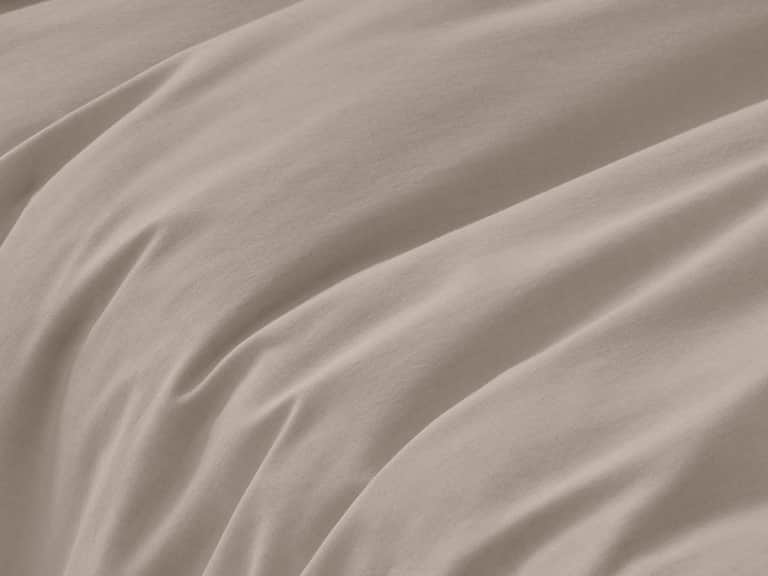
Cotton and cashmere duvet cover with a velvety weave that feels luxurious, yet machine washable for everyday ease.
Material: 85% cotton, 15% cashmere. Finish: distinctive weave with a soft, fluffy hand. Weight: 100 g/m². Care: Washing instructions. Origin: Italy. Brand: Society Limonta.
Price: 1190.00
Note: The Smir Duvet Cover exemplifies how cashmere blends can deliver warmth and texture while remaining practical for everyday care. This piece illustrates the blend of luxury and usability that defines modern cashmere textiles.
Notes for Readers and Consumers
As you explore cashmere, consider both the tactile experience and the lifecycle of the fiber—from farm to finished garment. Prioritize transparency, verify certifications, and ask about animal welfare and environmental practices. Cashmere’s story is strongest when its beauty is paired with accountability, and the reader’s choices become part of a broader movement toward responsible luxury.
This article presents a balanced lens: it acknowledges cashmere’s extraordinary softness and warmth while encouraging inquiry into sourcing, processing, and maintenance. In doing so, it invites readers to become informed participants in the ongoing conversation about sustainable fashion and textile education.