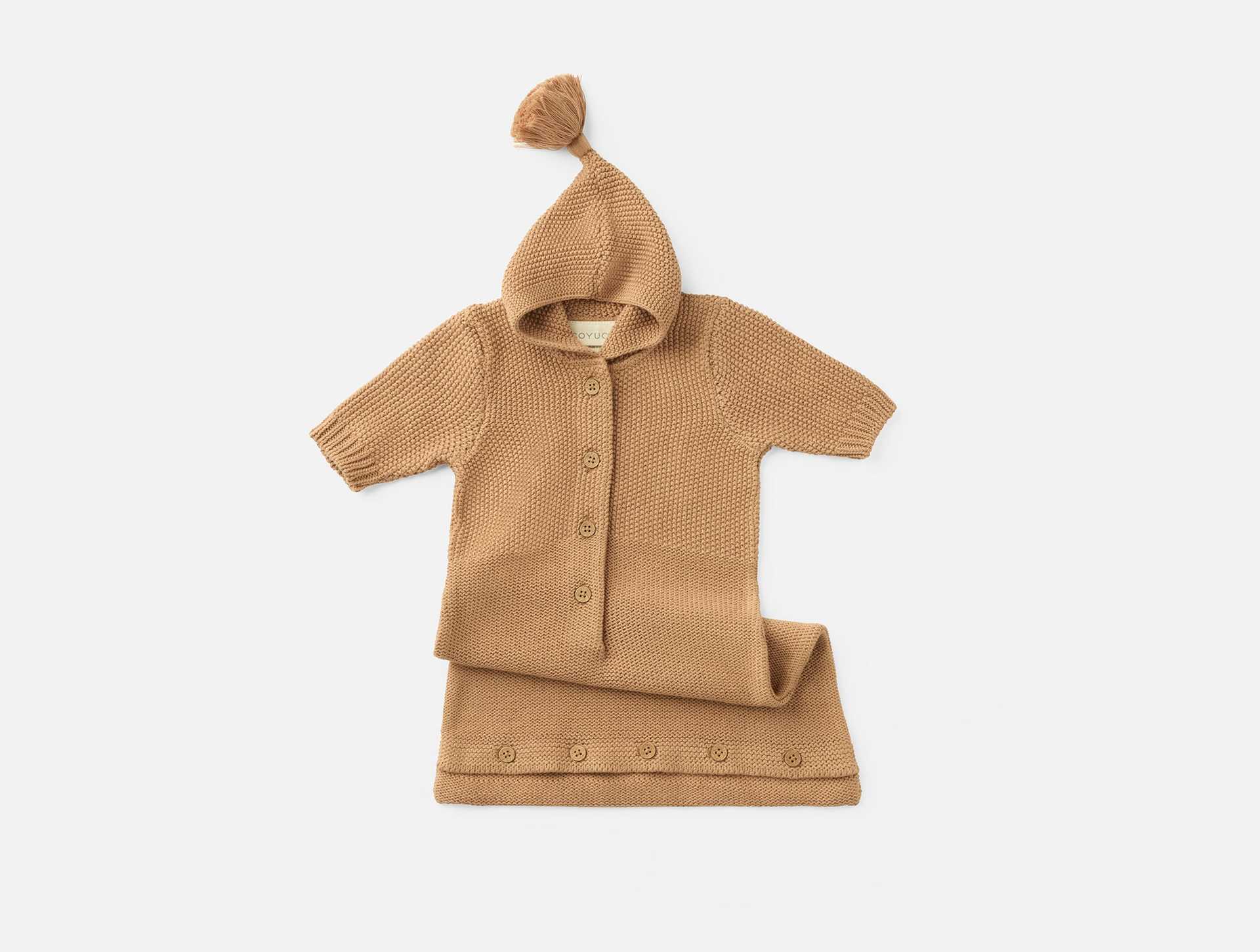
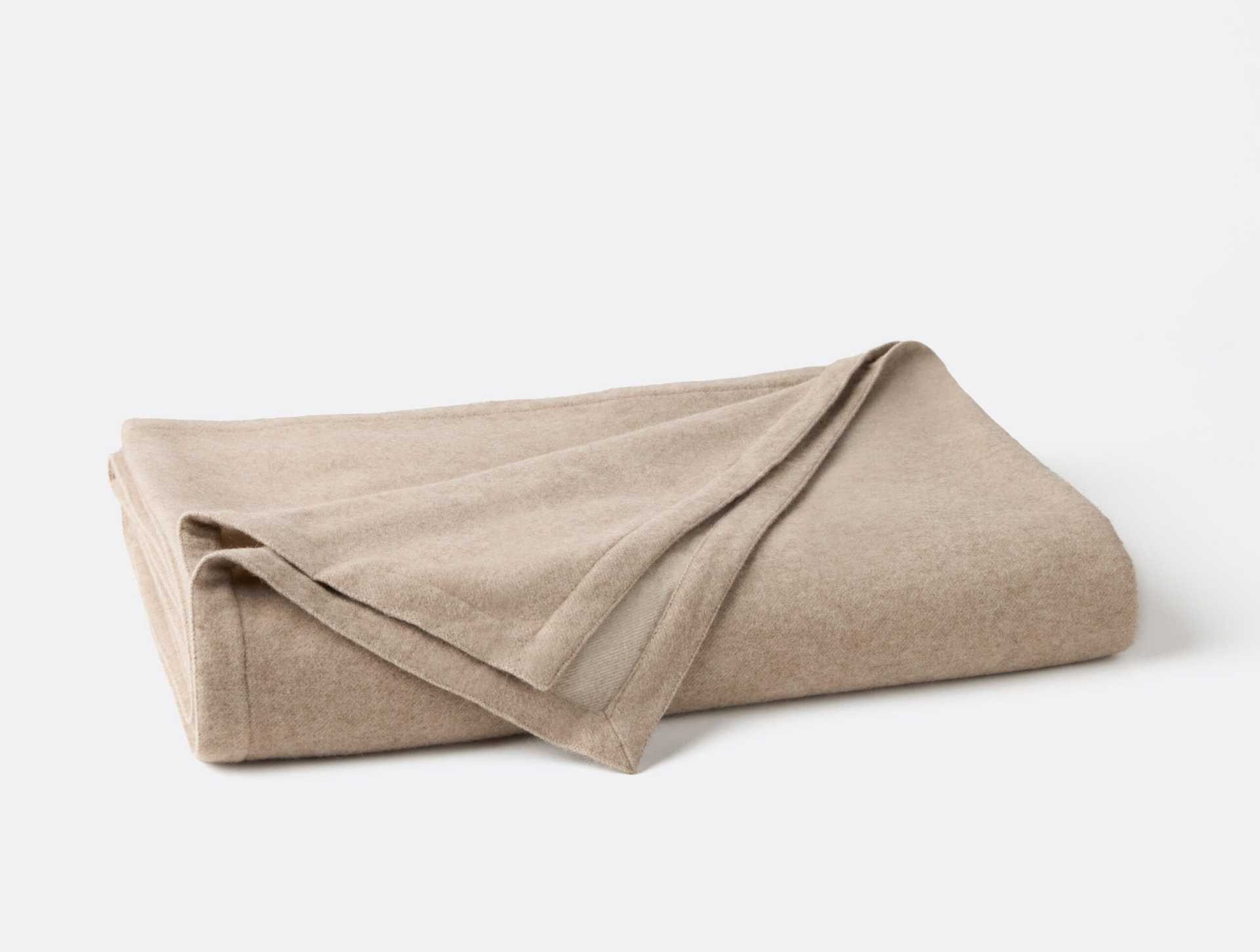
Blankets provide essential warmth, texture, and comfort across living spaces, nurseries, and bedrooms. The category emphasizes materials, weave structures, and weight options that influence temperature regulation, breathability, and softness. Understanding fiber types, such as natural wool or cotton blends, helps identify how each blanket performs in different seasons and settings.
Key features to consider include fabric composition, thread count or weave density, pile height, and edge finishing. These elements affect durability, moisture management, and laundering practicality. For nursery applications, gentleness on the skin and hypoallergenic properties may be prioritized, along with appropriate weight for safe, restful sleep.
For those exploring eco-conscious choices, organic and responsibly sourced fibers offer sustainability benefits without compromising comfort. Wool and cotton blends can provide natural temperature regulation, moisture wicking, and resilience. When selecting blankets for bedding, it’s helpful to align fabric type with climate and personal warmth preference.
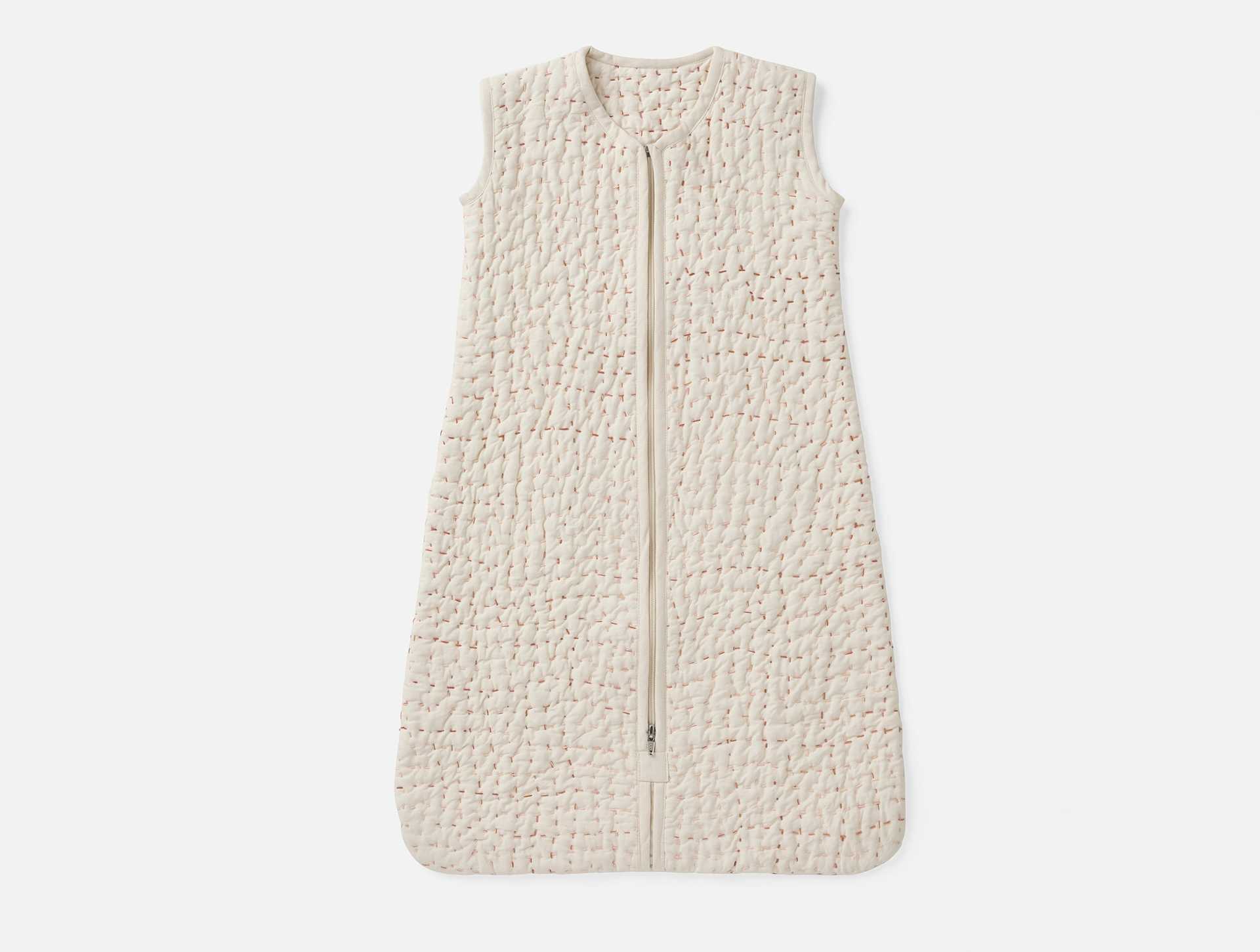
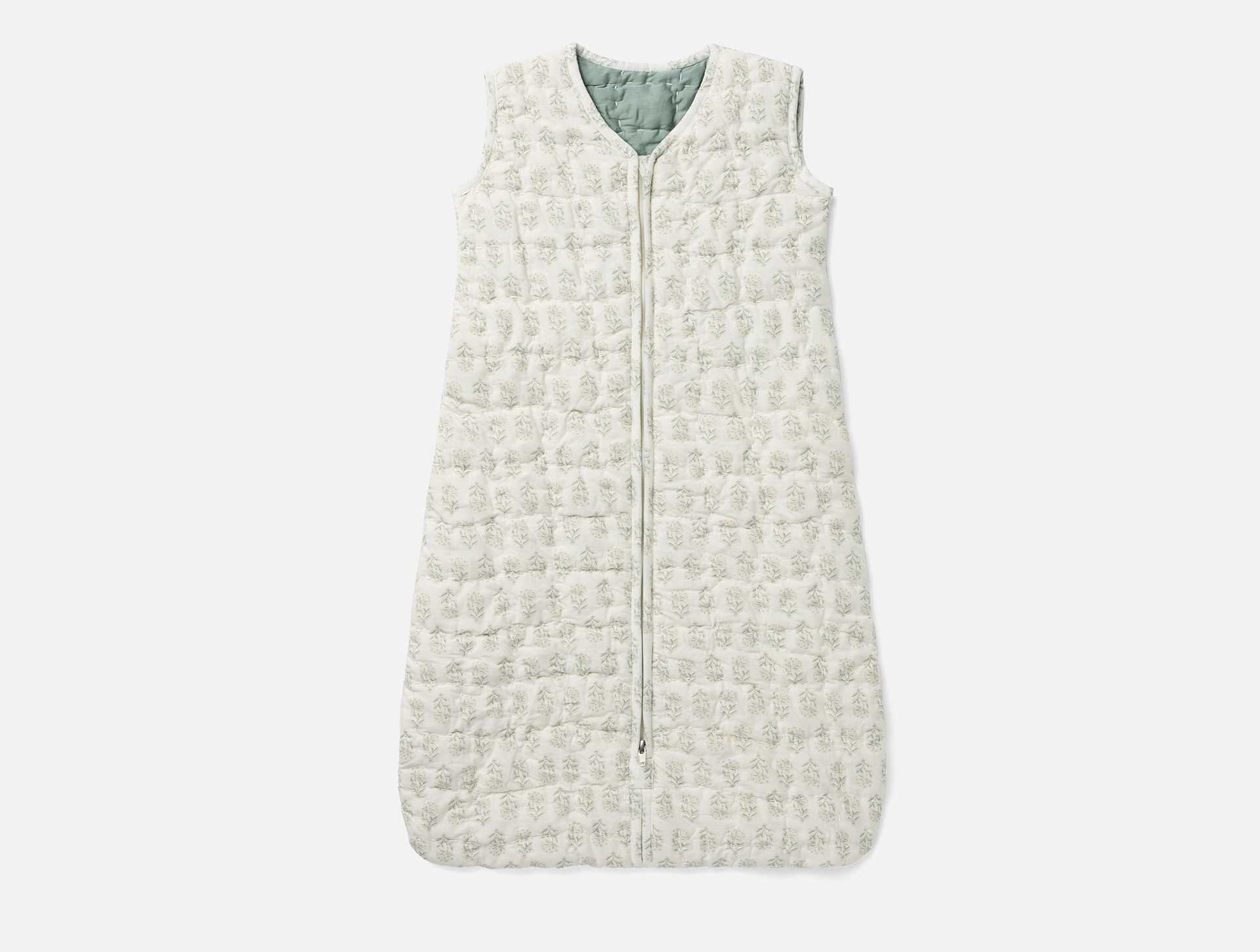
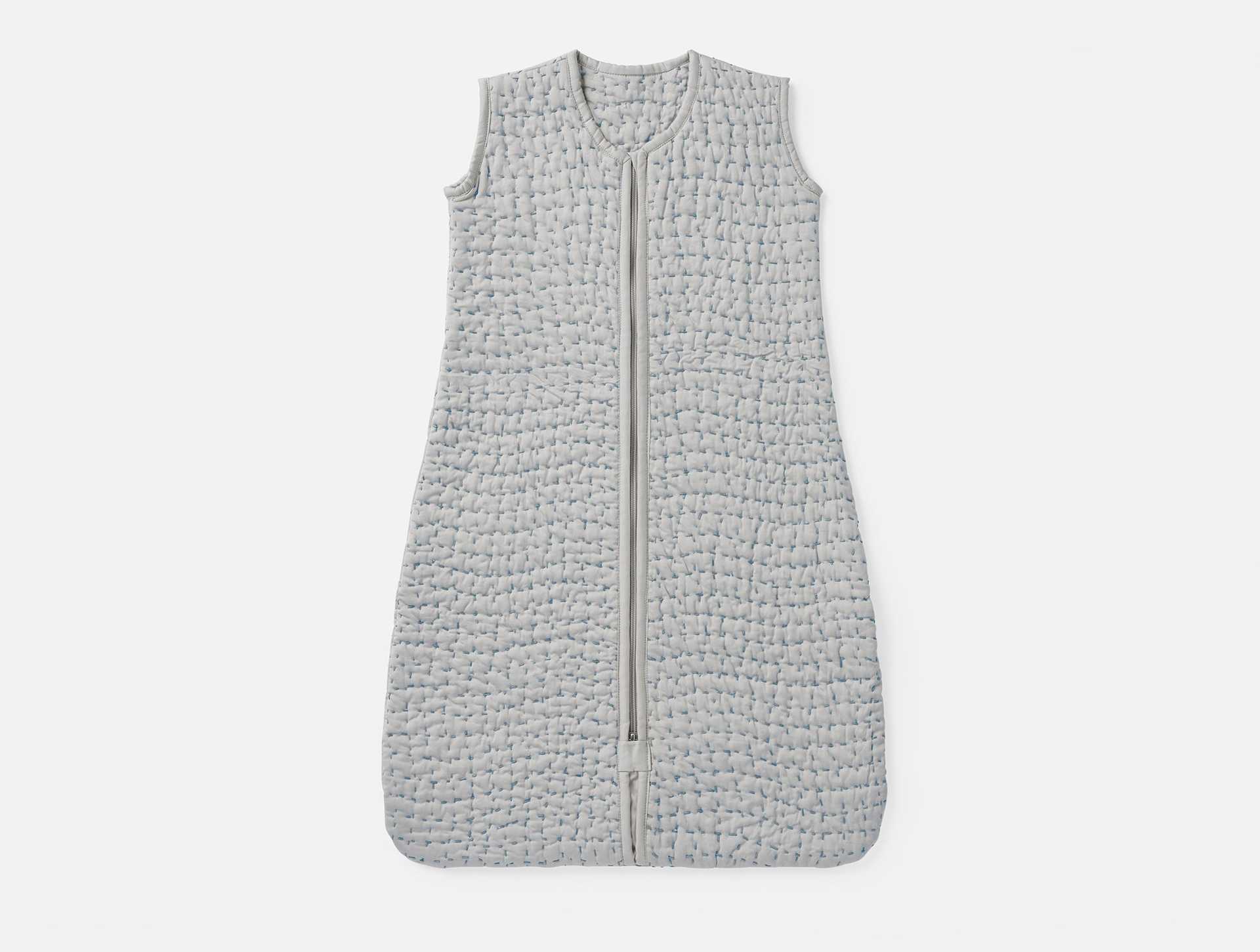
Product examples in this category include the Pebbled Handstitched Organic Snuggle Sack, noted for its organic material composition and thoughtful handstitched detailing that enhances warmth distribution and fit. The Snuggle Sack design emphasizes secure, cozy wrapping, making it suitable for infants and toddlers while preserving ease of use for caregivers.
In terms of usability, consider care requirements and maintenance, as factors like machine washability and air-drying influence long-term performance. Functional benefits such as breathability, warmth without heaviness, and softness after washing are important when evaluating blankets for daily living, nursery time, and soothing routines.
 Bedding